
Founded in 2020 in direct response to the murder of George Floyd, the State of Black Design (SoBD) set out to do something the design industry rarely does with intention: make room. Real room. For Black designers, their collaborators, and the conversations that the field had been avoiding for too long. RubyStudio's Betsy Vardell brought her deep experience in conference production to help SoBD's founder, Omari Souza, take the organization from online gathering to landmark in-person event.
The Client
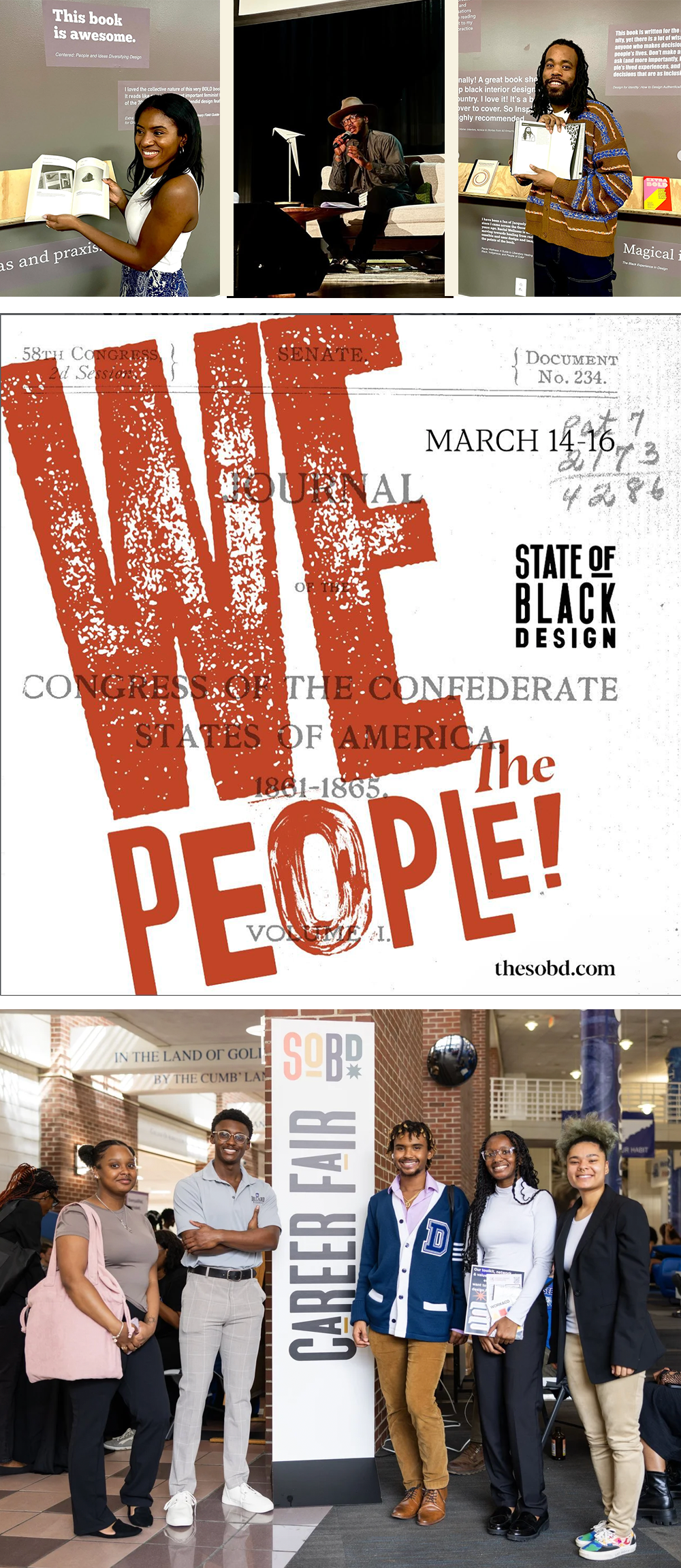
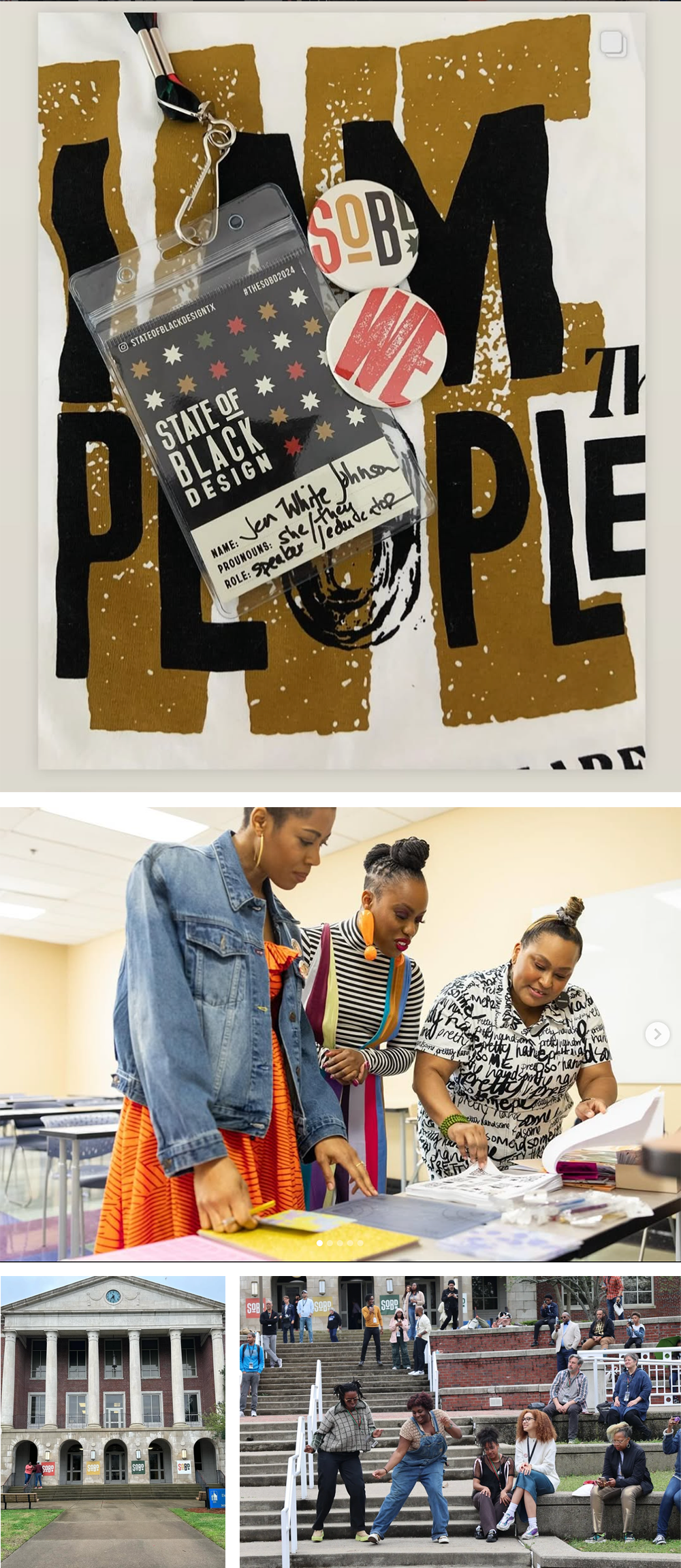
The State of Black Design is a conference, a community, and a statement. It launched as an online event in 2020 at a moment of national reckoning — built fast, built with purpose, and built to last. By 2024, SoBD was ready to move off the screen and into a room: the first hybrid in-person and online conference, "We the People," held at Tennessee State University, a historically Black university in Nashville, Tennessee.
The Challenge
Producing a conference is, at its core, the ultimate user experience problem. Every decision — from the width of a hallway to the timing of a keynote to the temperature of a room — is a design decision. Do it well and attendees feel taken care of without knowing why. Do it poorly and nothing else matters: not the speakers, not the programming, not the mission.
For SoBD, the stakes were higher than usual. This wasn't a conference about design in the abstract. It was a conference where design, identity, and community were inseparable — where the experience itself had to embody the values being discussed on stage. A generic event infrastructure would have been a betrayal of everything SoBD stood for.
Our Approach
Betsy Vardell came to this project with hard-won knowledge: four conferences planned and executed for Design Observer, each one a lesson in what separates an event that runs smoothly from one that resonates. She brought that institutional knowledge directly to the SoBD core team — sharing organizational templates, task breakdowns, and the kind of tactical clarity that only comes from having done it before.
The collaboration extended beyond logistics. Betsy oversaw the student group responsible for speaker management — not just directing their work, but helping them understand its significance. Managing speakers at a conference like "We the People" isn't administrative labor. It is, in the fullest sense, hospitality: making sure that the people who have come to share their ideas and their stories feel seen and supported from the moment they arrive.
Speaker selection and sponsor management. Workshop sequencing. The job fair. The flow between hybrid and in-person programming across three days. Each piece was considered not in isolation but as part of the whole — an experience that had to cohere as clearly as any well-designed product.
The Outcome
"We the People" ran for three days. It opened with hybrid workshops and a job fair, then moved into two days of workshops and main stage speakers. The conference was intentionally small — 350 attendees — because scale, here, was never the point. Depth was. More than 90% of those attendees reported a positive experience.
"I love all the intersections of identity that are being shared today." — Audience feedback
That number is a metric. What it points to is harder to quantify: a room full of people who felt the event had been made for them, by people who understood what they came for.
Betsy continues to consult with SoBD and contribute to its ongoing events. The work isn't finished — and neither is the conversation it was built to hold.
